
It’s Milly here, Business Development and Events Executive at Canned Wine Group. Within my role, I’m constantly on the move, meeting customers, attending tastings and events, and developing relationships that help grow our business. In sales, getting out to meet people face-to-face is invaluable, but we always carefully consider the environmental impact of how we travel. Sustainability isn’t something we just talk about; it’s something we actively try to integrate into the day-to-day of the business.
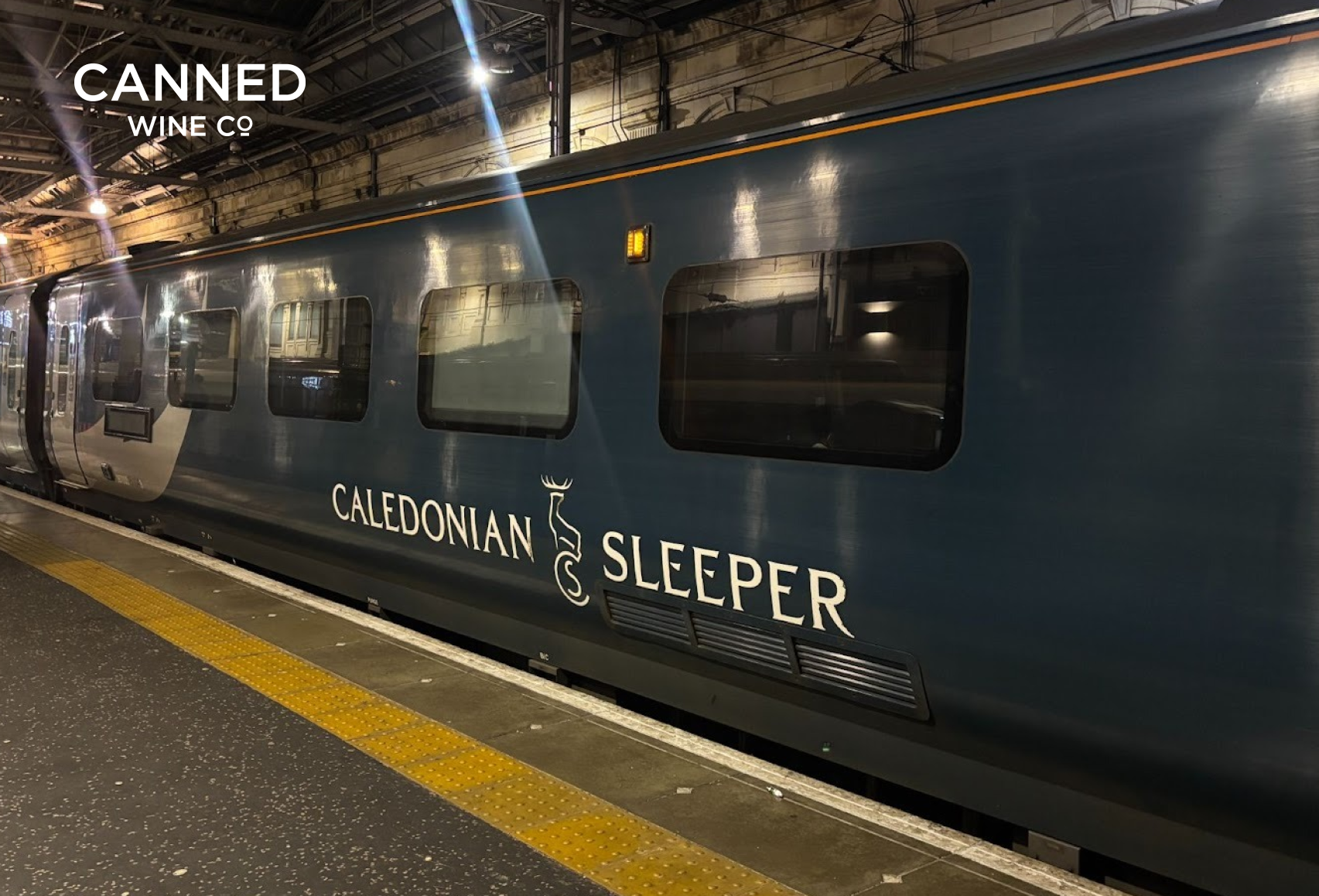
Recently, I decided to try something a bit different for a trip to Scotland and took the Caledonian Sleeper. Instead of my usual daytime train journey, I travelled overnight, which meant I could get some rest while also keeping the journey lower-impact than flying or driving.
On Monday evening, after hosting the welcome drinks for the Stage Awards in London, I headed straight to Euston rather than staying in a hotel. By the next morning, I was in Edinburgh, ready for a full day of staff training with Virgin Hotels, as well as meetings with customers and prospects. Travelling overnight turned what would normally be a long travel day into something much more manageable.
Why the Sleeper? Carbon, Convenience, and Time
For business travel, we often have to balance sustainability with practical considerations like time, cost and productivity. Unlike a daytime train or flight, the Sleeper combines travel and overnight accommodation, meaning I didn’t need a separate hotel, which saves a further 13.9 kg CO₂e by not requiring a hotel.
On the Caledonian Sleeper, you can have a room for the night, so no need to increase your carbon footprint with a hotel at your destination.
According to Caledonian Sleeper’s sustainability page on its website, journeys on the service can produce up to seven times less CO₂e compared to flying or other less sustainable modes of transport, even accounting for overnight stays. And while trains aren’t perfect (diesel lines and network carbon intensity still vary), this option edges out air travel on sustainability grounds, especially for trips where working the next day is important.
My Experience On Board
Boarding the Sleeper at Euston late in the evening felt like a refreshing change from the standard business travel routine. No security queues, no long waits, no rush-hour traffic, just turning up, hopping on, and settling in. Compared to airports, it immediately felt calmer and far less stressful.
The Sleeper offers a range of accommodation depending on your ticket type, so there really is something for everyone, from seats to private compartments. There was something quite special about leaving the manic energy of London behind and waking up early the next morning in a completely different city, before the crowds had even arrived.
That said, like most travel experiences, it wasn’t without its learning curves.
I booked my ticket through the Trainline app and, in hindsight, didn’t do enough research on the different ticket options. I was drawn in by the price, £35 for a journey to Edinburgh and an overnight stay felt like a bargain. As it was my first sleeper train experience, I assumed all tickets included a bed and didn’t check the details properly.
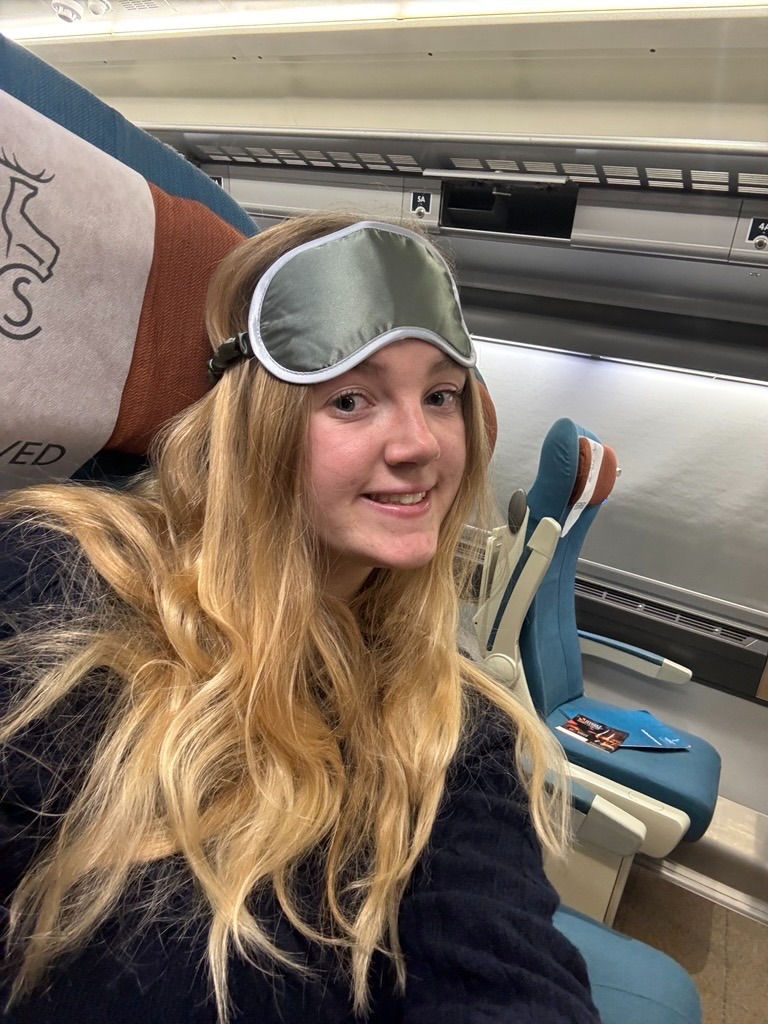
Getting ready for bed was also a new experience. Brushing my teeth in a train bathroom isn’t something you do every day, although everyone else was doing the same, which made it feel oddly normal. Showering was another consideration. As I didn’t have a cabin with an en-suite, I ended up using a PureGym shower in Edinburgh, about a 25-minute walk away. With a suitcase, cobbled streets, and it still being pitch black outside, it wasn’t the most glamorous start to the day.
A few days before travelling, I noticed my ticket was actually for a recliner seat. While not ideal, I assumed it would still be comfortable enough to sleep. On arrival, the seats didn’t recline at all. Luckily, as it was a quiet Monday in January, the train manager kindly let me move across the aisle to stretch out on two empty seats. Even so, at 5’10”, getting properly comfortable was a challenge.
There were a few other small quirks along the way. The shutter blinds in the carriage rattled loudly through the night (thankfully, eye masks and earplugs were provided, though I’d brought my own). And arriving in Edinburgh at 5 am in January meant there wasn’t much going on yet, so sightseeing was firmly off the cards.
Overall, it was a great experience, but one that definitely reinforced the importance of planning. Travelling with a more sustainable mindset can be very rewarding, but it does sometimes require a bit more thought and flexibility upfront.
Do’s & Don’ts: Making the Most of the Sleeper
Based on my experience, here are a few practical tips if you’re considering the Caledonian Sleeper:
Do
- Research your ticket type before booking: the seated coach and private cabins offer very different experiences, don’t assume they’re the same.
- Book ahead where possible: You’ll get a better choice and better value, especially if you want a bed or an en-suite.
- Pack with overnight travel in mind: An eye mask, earplugs, phone charger and an inflatable neck pillow make a big difference.
- Bring micellar water and cotton pads: Much easier than trying to properly wash your face in a train bathroom.
- Consider arrival time: Early-morning arrivals are great for productivity, but not ideal for sightseeing, especially in winter.
Don’t
- Be distracted by the cheapest price alone: A bargain seat isn’t always the best option if you need proper rest the next day.
- Expect hotel-level facilities unless you book a cabin: If you want a shower and privacy, an en-suite cabin is worth the upgrade.
- Forget to pack practical extras: Bring a small towel just in case, compartments don’t always provide one.
Part of Our Larger Sustainable Travel Ethos
At Canned Wine Group, travel will always be part of how we grow the business. But trips like this show that with some thought, it’s possible to reduce impact without reducing effectiveness. We know we’re not perfect. Travel will always be a balance between necessity and impact.
Choosing rail, especially overnight where it makes sense, is one of the simplest ways we can try to reduce our footprint without reducing our presence. Have you tried the Sleeper yourself, or found another way to travel more sustainably? We’d love to hear your thoughts.