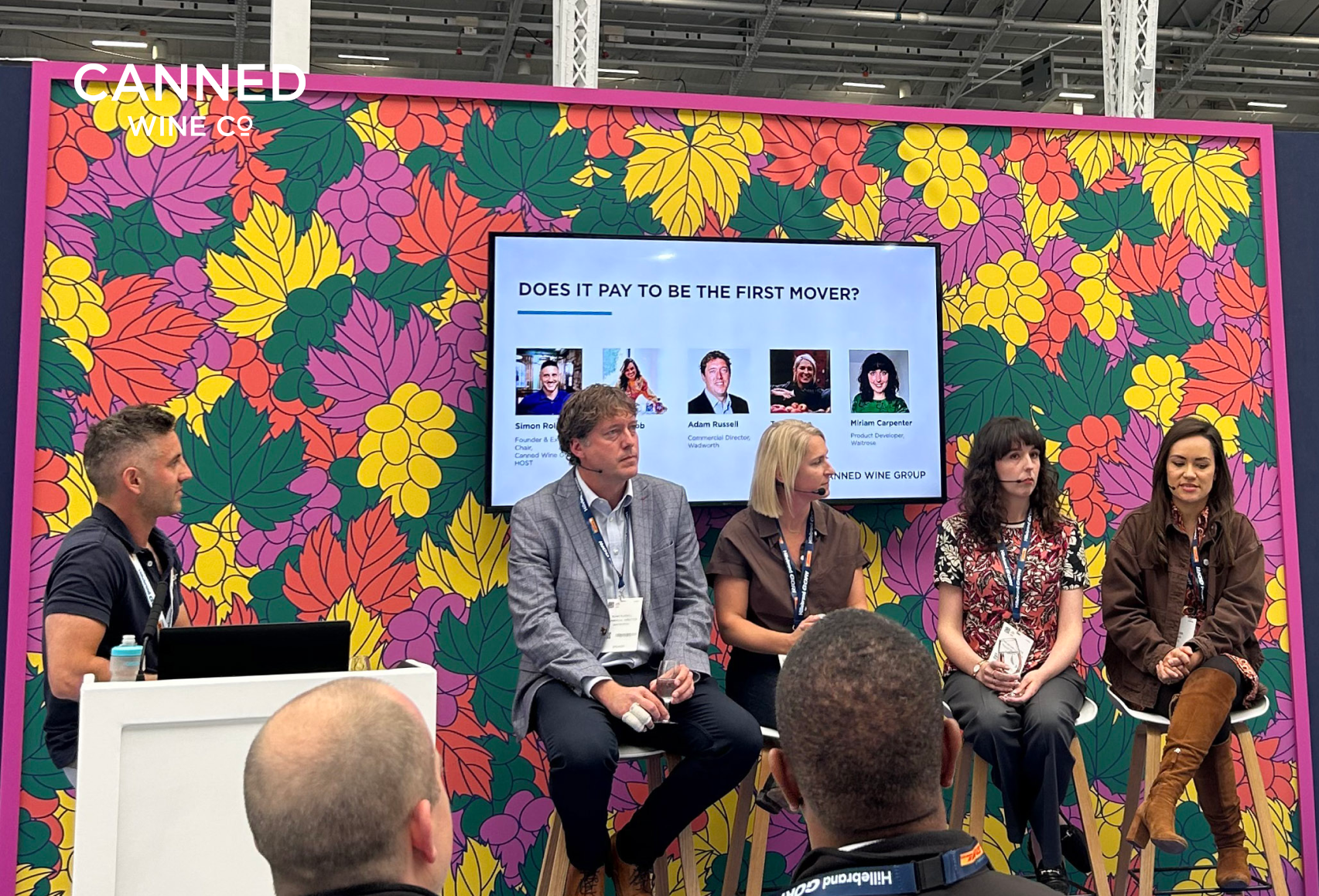
This May, we had the pleasure of hosting a panel at the London Wine Fair with an inspiring group of industry leaders, exploring how challenger brands can thrive in this space. One thing was clear: customers are actively seeking out innovation and are eager to discover new brands and products. It’s vital for first movers to collaborate, pool resources, and work together to cement growth within the space.
A huge thank you to Adam Russell, Ellie Webb, Tori Jordan and Miriam Carpenter for joining our team and sharing your insights this year.
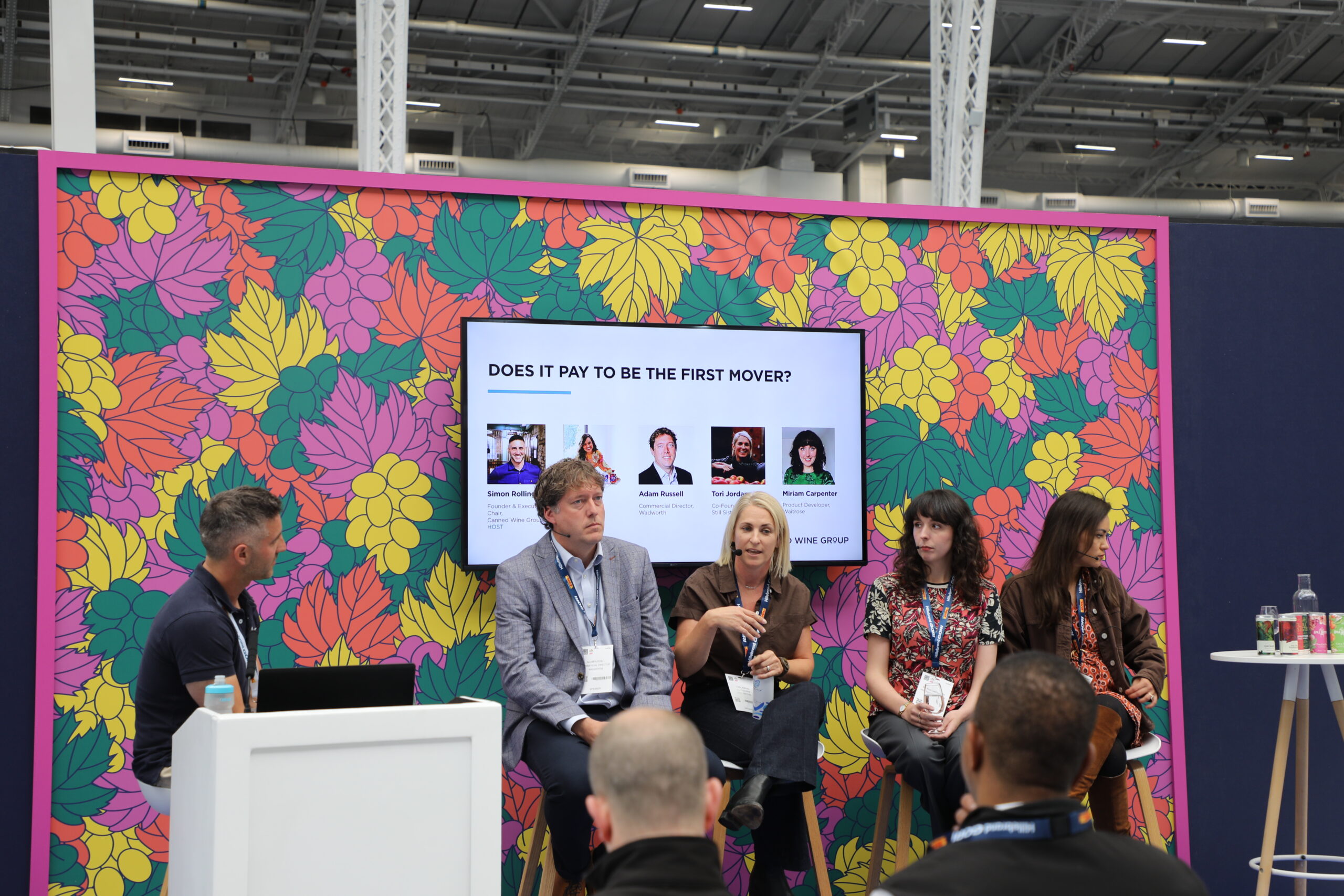
A few standout moments and insights from the panel that really stuck with us:
Ellie: “The barriers to entry are now higher, as the category in low and no is now
established. But for those wanting to get into this space, you’ve got to think about filling a gap in a range and proving to buyers that you can make them money and show them the evidence. You’d have to be really sharp in your pitch, the market is already becoming more competitive, so you have to be laser focused.”
Tori: “As a brand, we’ve found that actually working with your competitors means that you can grow a category. It’s great to be in that space and working together so you all benefit, rather than focusing on them being competitors, the focus should be on supporting other founders and pooling resources where appropriate to really hammer home the education piece. I’ve definitely seen and felt that shift in the drinks category, which is great to see.”
Adam: “When I look at product, it’s about 4 key things. Firstly, quality and that’s
made up of taste, good branding and guest need. Secondly, is it operational useful? That could be as simple as establishing if it’s easy for staff to serve, or whether it’s useful in overall operations, such as removing products from fridge to make way for other to go in. The third bit is all about being commercially viable. It has to be great value for money for the customer, but the pub has to make money, potentially a wholesaler has to make money and brand owners too. More and more, sustainability is becoming important too. For most groups, it is probably the 4th out of 4, but it is becoming more and more important.”
Miriam: “For me, the biggest advantage of being the leader is data and the first to market and innovation. You get ahead of the curve, you get the consumer
engagement and the perception that you’re the lead innovator, but equally, but you are acquiring the data and that is invaluable.”